

Player Select: Volume 6 Topic Finalists (Pick One!)
Help Me Choose the Theme for Volume 6!

Happy almost-New Year, everyone! As we count down to 2026, I’m looking ahead at what comes next for Game & Word. Volume 5 (Abra-CODE-abra!) has been an absolute trip. I hope you’ve enjoyed combing through all of gaming’s mystical, esoteric, and downright arcane aspects (and all the delightfully weird little academic tangents we’ve explored in the process) as much as I have!
But now, it’s just about that time of the year in each volume’s lifecycle that I start looking ahead to what I should cover next.
Wrapping Up Volume 5
Before we leap into the future, here’s what’s still on deck for our current journey through gaming’s magical and occult side:
Angels and Demons - An examination of celestial and infernal beings in video games, primarily through the Diablo series also but touching on how other games (DOOM, Bayonetta, Devil May Cry) handle the divine bureaucracy of heaven and hell.
Deities and Their Worshippers - Using Hades and Hades II as starting points to explore gods, Elder Beings, and mortal devotion (Lovecraftian cultists, anyone???), as well as the meta-concept of “playing God” when you boot up a game, particularly simulation games.
Dark Magic and the Forbidden Arts - The spooooky stuff: necromancy, blood magic, curses, and all the taboo Left-Hand Path practices that games so generously let us gleefully experiment with (and without the attendant risk of spectral or demonic possession!).
Apotheosis - How mortals ascend to godhood in video games, how it parallels similar ascensions in myth and magic (Hercules, Enoch, Jesus), and what that transformation means narratively and mechanically
The Meta-Magic of Game Creation - Game development and other creative endeavors as inherently magical acts that bring entire worlds into existence, while transforming the creator and audience alike
Technomancy - The wacky intersection of magic and computers, tracing a through-line from video games to the internet to generative AI
The Gamers’ Grimoire - That fun little bonus gaming spellbook I still owe my paid subscribers (it’s about 3/4 done, I promise!)
FAIR WARNING: I may or may not get to all of these, and some might get bumped to Side Quests or become bonus pieces for paid subscribers, depending on how the writing flows and where the rabbit holes take me.
Volume 6: The People Have Spoken (Will Speak)
Just like I did before Volume 5, I’m putting the next theme up to a vote. I’ve brainstormed 10 possible directions, and will give YOU a say in what we explore next!
Here’s what I’m considering:
Option 1: Press F to Feast [Food + Drink]
Option 2: Pixel Perfect [Aesthetics + Design]
Option 3: State of Play [Politics + Governance]
Option 4: The Long Game [Anthropology + Cultural Evolution]
Option 5: Friendly Fire [War + Peace]
Option 6: Working as Intended [Labor + Productivity]
Option 7: New Game Plus [Memory + Self]
Option 8: Open World [Nature + Environment]
Option 9: One Last Score [Cops + Mobsters]
Option 10: Gears of the Empire [Steam + Punk]
If you like the idea, just vote for it using the handy poll thingy underneath each theme. If you hate the idea, you can also vote “no,” or just leave it blank if you don’t care either way. You can vote on as many as you want!
But you gotta subscribe (whether free or paid) to be able to vote, so if you haven’t subscribed yet, now’s your chance:
Option 1: Press F to Feast
Food, Drink, and Culinary Culture in Video Games
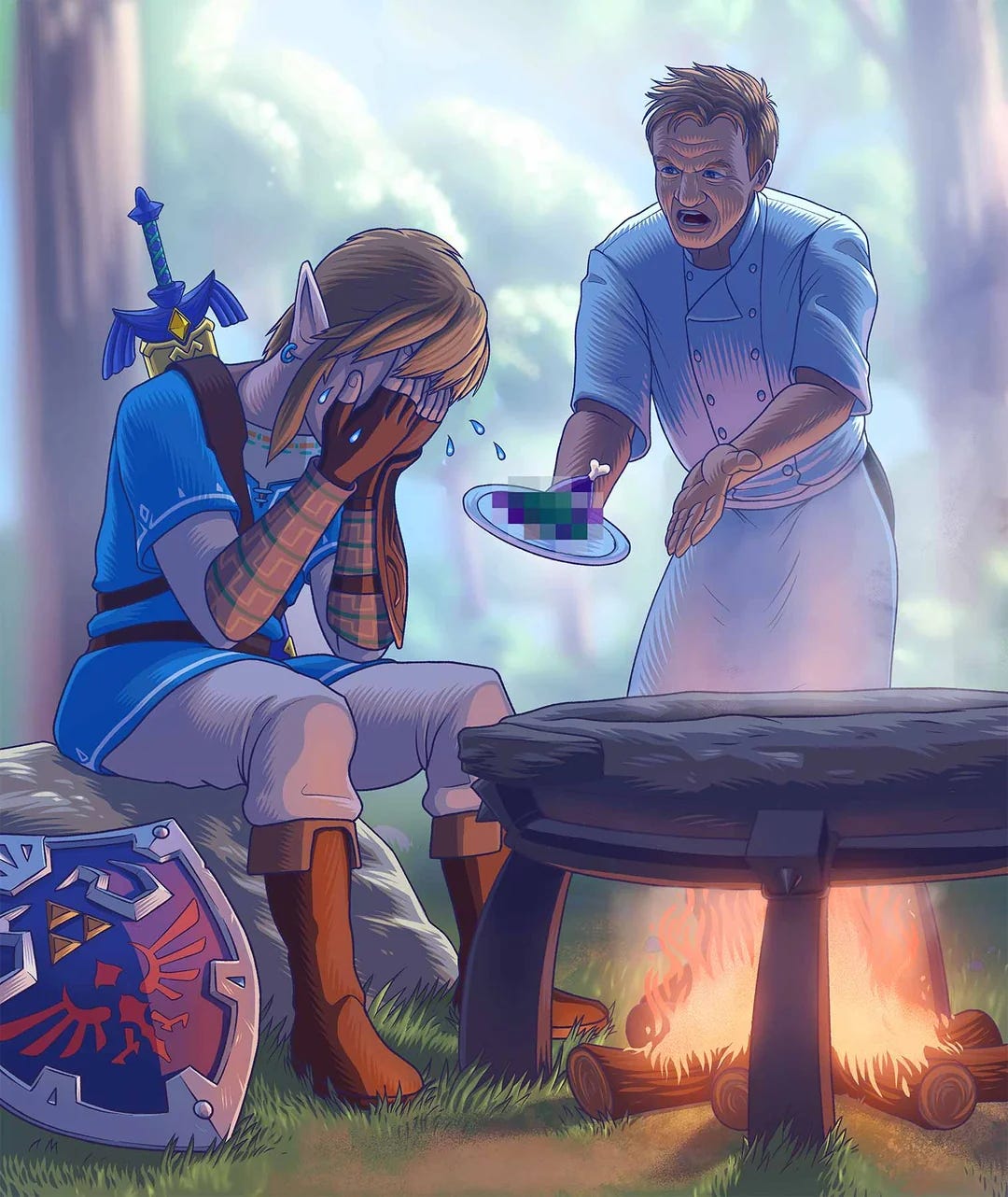
From cooking mechanics to farming sims, whether it’s Monster Hunter’s canteen or Breath of the Wild’s groundbreaking recipe crafting system, food and libations in games serve a deeper function than mere HP recovery or stat boosts! In this volume, we’ll explore the anthropology of the feast, the economics of sustenance, food as cultural memory, and why we find virtual cooking so damn satisfying.
Games To Cover:
Cooking Mama series
Yakuza series
Breath of the Wild/Tears of the Kingdom
Stardew Valley
VA-11 Hall-A
Coffee Talk
Overcooked!
Monster Hunter
Chef Life
Hundred Days
Final Fantasy XV
Animal Crossing
Academic Lenses:
Anthropology
Economics
History of cuisine
Cuisine as cultural vector/framework
Psychology of comfort food
Philosophy of consumption and sustenance
The culinary arts themselves
Option 2: Pixel Perfect
Beauty, Aesthetics, Art, and Design in Video Games

What makes a game beautiful? And no, the answer isn’t just “good graphics.” This volume is all about everything that makes games pleasing to the eye, focusing on art direction, architecture, fashion, and design.
We’ll also take some detours along the way, exploring the psychology of cute, kawaii culture, environmental storytelling through space, the psychology of character creation, and how visual language creates meaning (including visual trends in games as a whole, such as pixel art, cel shading, and low-poly minimalism). So get ready to take a microscope to Journey’s sublime vistas, Animal Crossing’s cozy charm, Control’s brutalist architecture, Hollow Knight’s hand-drawn perfection, and more!
Games To Cover:
Journey
Okami
Gris
Final Fantasy XIV
Monument Valley
ABZÛ
Sayonara Wild Hearts
Hollow Knight/Silksong
Unpacking
Various character creators and fashion systems
Academic Lenses:
Philosophy of aesthetics
Art history
Architecture
Psychology and sociology of beauty
Anthropology of kawaii culture
Design theory
Option 3: State of Play
How Video Games Mirror Politics, Society, and Culture
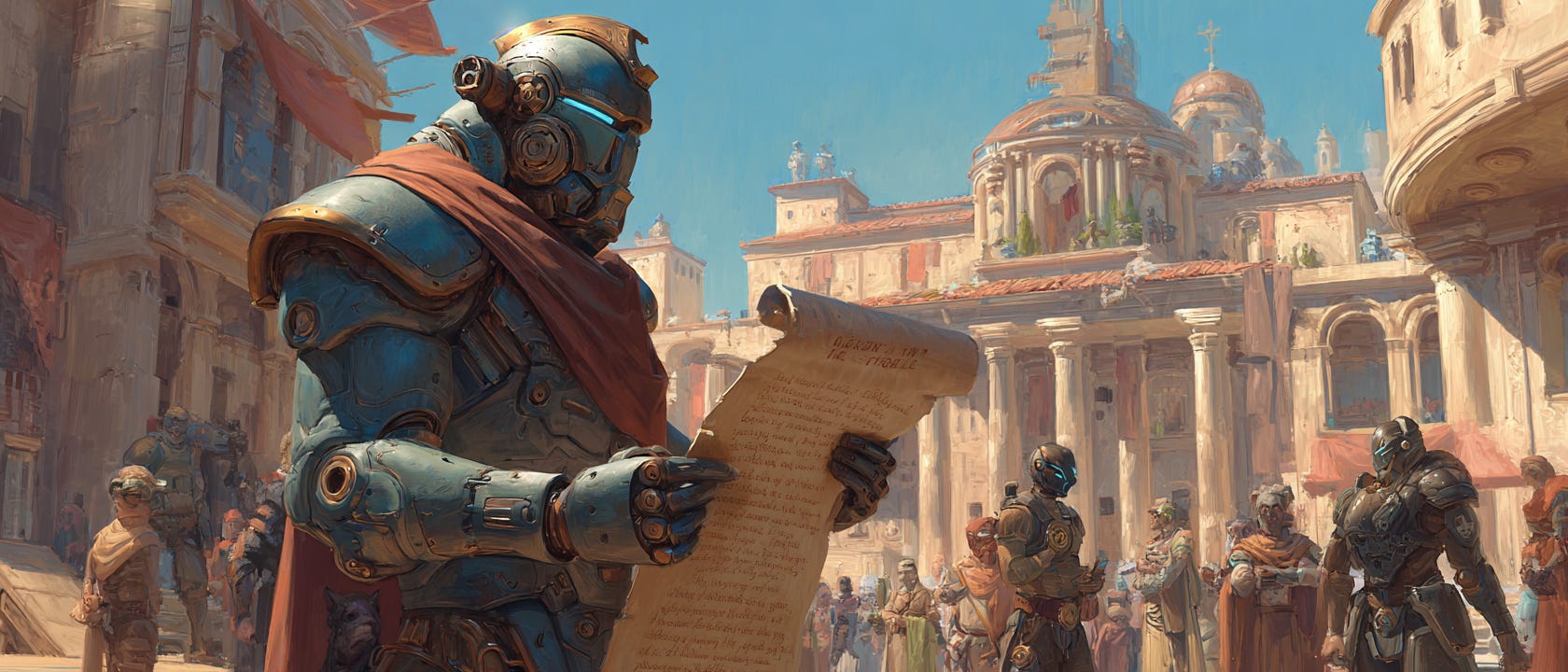
Gaming is chock full of deep political commentary that’s just begging for scholarly analysis, but so much of its richest commentary often flies under the radar. This volume will tackle how games explore political philosophy, satirize contemporary society, simulate governance systems, and grapple with dissent, subversion, revolution, surveillance, and control. We’ll examine failed utopias, revolutionary movements, corporate dystopias, and what happens when ideology becomes gameplay.
Games To Cover:
Disco Elysium
Bioshock series
Metal Gear Solid series
Papers Please
Frostpunk
The Outer Worlds
Fallout series
Tropico series
Civilization
Grand Theft Auto series
Far Cry series
EVE Online
Cyberpunk 2077
Academic Lenses:
Political philosophy
Sociology
Economics
Ethics
Criminology
History of revolutionary movements
Mass media theory
Option 4: The Long Game
Video Games and the March of Human History
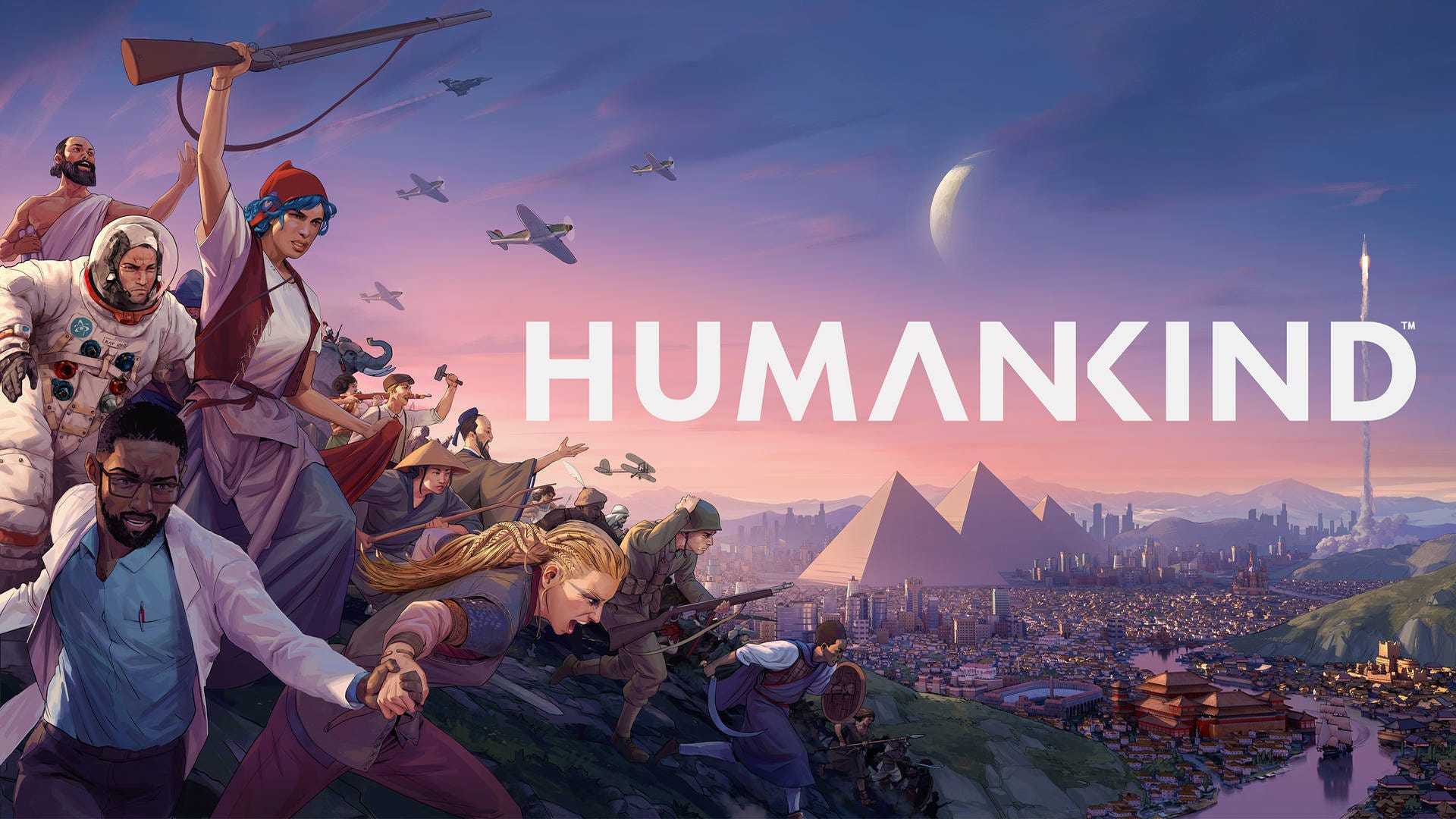
What can a campaign of Civilization or Humankind teach us about ourselves? This volume will take a more experimental approach, using campaigns in grand strategy and 4X games as lenses to examine human development, technological progress, cultural evolution, and the eternal tension between individual agency and historical forces. From hunter-gatherers to space explorers, we’ll explore what games reveal about our journey as a species.
Games To Cover:
Humankind
Crusader Kings III
Ancestors: The Humankind Odyssey
Spore
Civilization VI
Stellaris
Alpha Centauri
Age of Empires series
Europa Universalis IV
The Longing
Frostpunk
Rimworld
Academic Lenses:
Anthropology
Philosophy of history
Sociology of civilization
Technology studies
Comparative history
Evolutionary theory
Option 5: Friendly Fire
Violence, War, and Conflict in Video Games

Gaming’s relationship with violence is its most examined yet perhaps least understood aspect. No, we won’t be asking that tired and trite “do games cause violence?” question.1 Instead, we’ll explore things like just war theory, the aestheticization of combat, ludonarrative dissonance, mechanical and narrative depictions of pacifism, historical war simulation, and the military-entertainment complex. When is violence justified? What does it mean to enjoy simulated combat? Why do some games question violence, while others glorify it? And how does this fit into a world that teeters ever so precariously to the edge of renewed global conflict?
Games To Cover:
Spec Ops: The Line
Metal Gear Solid series
Undertale
Hotline Miami
This War of Mine
Valkyria Chronicles
Dishonored
Sekiro: Shadows Die Twice
Devil May Cry
Academic Lenses:
Ethics and just war theory
Military history
Psychology of aggression
Mass media theory
Philosophy of violence
Game studies
Option 6: Working As Intended
Video Games’ Depictions of Work, Labor, and Productivity
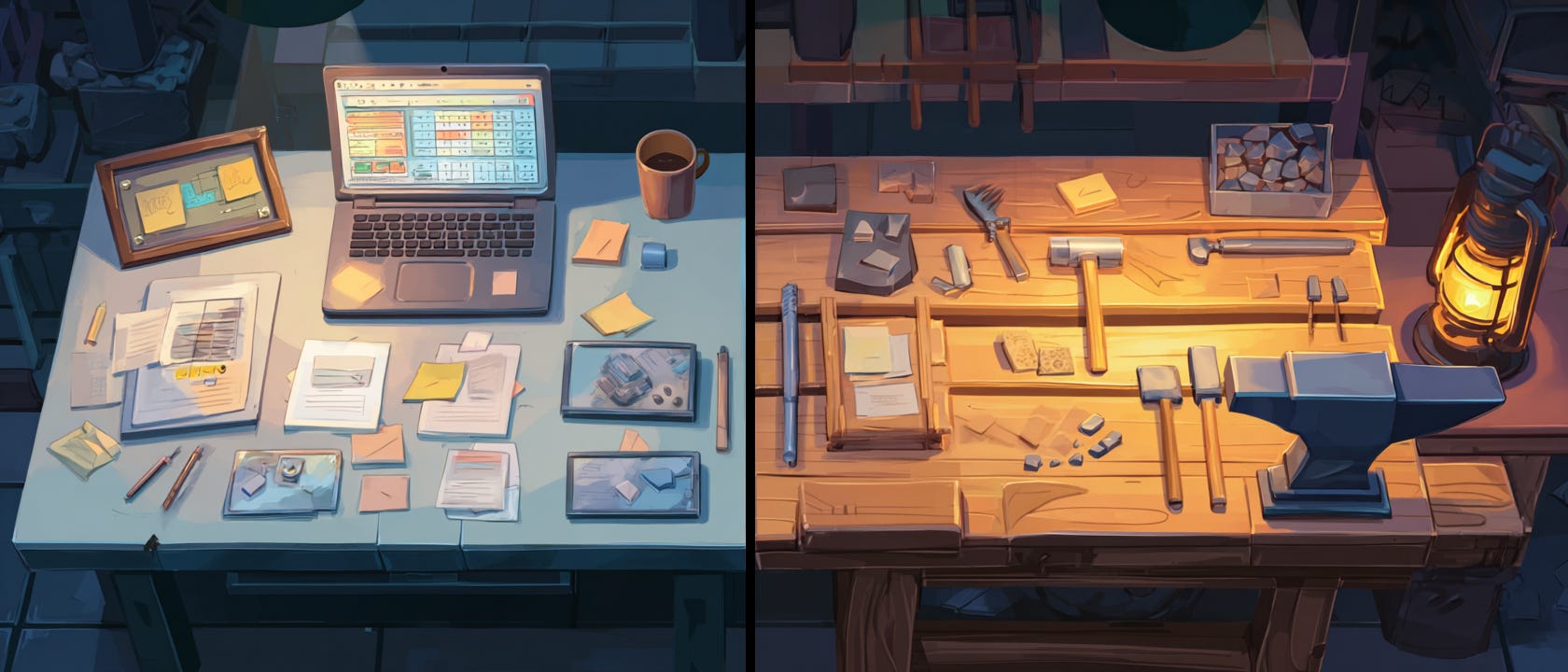
Ironically and paradoxically, we work constantly in games (be it by farming, crafting, managing, or building), and often find it more satisfying than our actual jobs. What does this reveal about labor, value creation, resource allocation, and our relationship to productivity? This volume dives into the ever-increasing gamification of labor, the enduring popularity of tycoon simulators, automation philosophy, “the grind,” and when games feel like second jobs.
Games We’d Cover:
Factorio
Stardew Valley
Papers Please
Overcooked!
Death Stranding
Animal Crossing
Satisfactory
Deep Rock Galactic
EVE Online
Various tycoon/management sims
MMO daily grinds
Academic Lenses:
Economics
Labor theory
Philosophy of work
Sociology of capitalism
Industrial psychology
Game design theory
Option 7: New Game Plus
Video Games as Mirrors to the Self
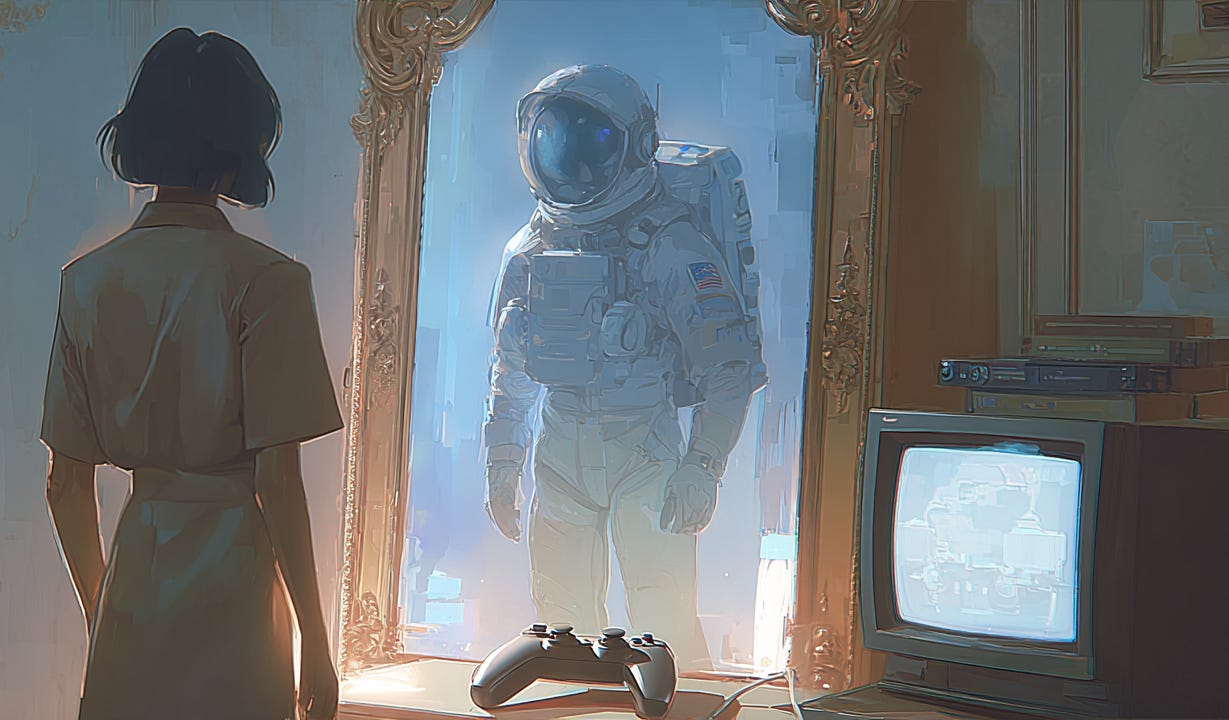
Games uniquely explore memory, identity, and selfhood through amnesia narratives, save systems, character creation, and how we remember play experiences. Why do so many protagonists forget? What does it mean when we can be literally anyone? And how do save systems function as memory? (It’s not as simple as you’d think!) So strap in and get ready to explore the reconstruction of self, unreliable narrators, collective gaming memory, and false nostalgia.
Games To Cover:
Disco Elysium
Nier: Automata
Outer Wilds
Return of the Obra Dinn
What Remains of Edith Finch
The Stanley Parable
Planescape: Torment
Various RPG character creators
Academic Lenses:
Philosophy of the self
Psychology of memory
Narrative theory
Phenomenology
Cognitive science
Digital humanities
Option 8: Open World
Nature and Environment in Video Games

Video games have always offered us unique ways to explore our relationship with the natural world, whether through simulation, utilization, or restoration. We’ll examine ecology as system, conservation ethics, natural disasters, rewilding, pastoral fantasies, and climate fiction in gaming.
Games To Cover:
Rain World
Eco
Terra Nil
Death Stranding
Horizon Zero Dawn
ABZÛ
Subnautica
Ecco the Dolphin
Stardew Valley
Frostpunk
Minecraft
Various survival games
City builders with environmental mechanics
Academic Lenses:
Ecology
Economics
Environmental philosophy
Natural science
Geography
Environmental ethics
Malthusian theory
Option 9: One Last Score
Crime, the Mob, and Gangster Narratives in Video Games
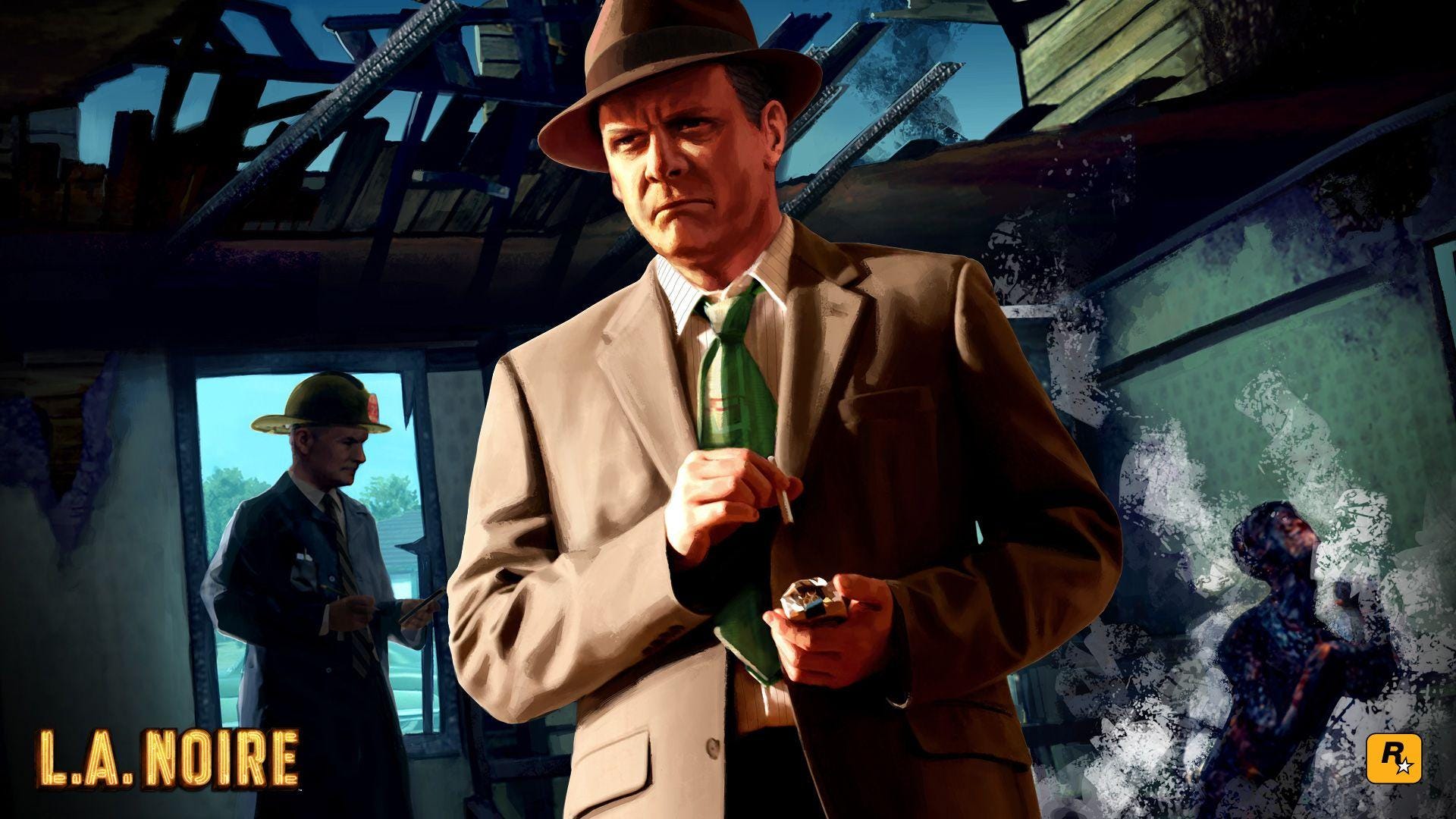
From the tragic arcs of Mafia’s made men and Yakuza’s honorable thugs, to Grand Theft Auto’s satirical crime sprees and Disco Elysium’s profoundly broken detective, games (like the societies that spawn them) have long been fascinated with cops, criminals, and the codes that govern both. Join us as we figure out why we love playing outlaws, how different cultures romanticize organized crime, the economics of black markets, heist planning as game design, and whether it’s possible to depict crime without glamorizing it (and whether or not we should be worried about it).
Games To Cover:
Yakuza/Like a Dragon series
Mafia series
Grand Theft Auto series
Disco Elysium
Payday 2
Saints Row series
Sleeping Dogs
LA Noire
Thief series
Hotline Miami
Hitman series
Academic Lenses:
Sociology of organized crime
Criminal justice philosophy
History of crime families
Economics of black markets
Psychology of criminality
Anthropology of honor codes
Urban studies
Option 10: Gears of the Empire
Steampunk, Victorian Futurism, and Industrial Fantasy in Video Games
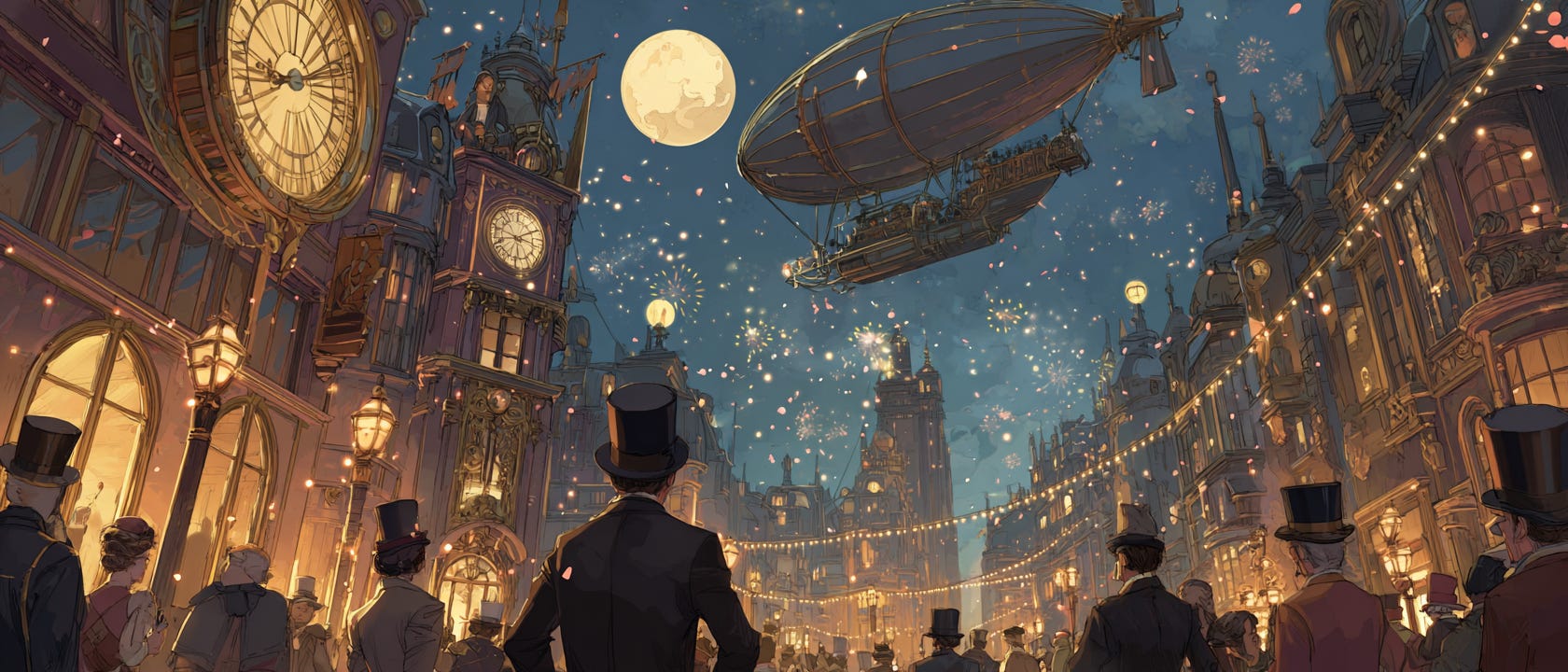
Brass, steam, and clockwork dreams… Steampunk games give us retro-futuristic visions of an Industrial Revolution that never quite was. In this volume, we’ll explore why we find Victorian machinery so visually compelling, how games navigate the tension between magic and technology, what alternate technological paths look like in practice, and how different games approach (or ignore) the era’s historical complexities. We’ll explore Dishonored’s plague-ridden Dunwall, Frostpunk’s frozen survivalism, and Arcanum’s philosophical explorations of magic-versus-machine, examining what steampunk reveals about progress, nostalgia, and our relationship with both history and technology.
Games To Cover:
Dishonored series
Frostpunk
Bioshock Infinite
Arcanum: Of Steamworks and Magick Obscura
Fallen London/Sunless Sea/Sunless Skies
Final Fantasy VI
SteamWorld series
Syberia series
Machinarium
Academic Lenses:
History of Victorian Britain
History of the Industrial Revolution
Technology studies
History of organized labor
Literature (Verne, Wells, Shelley)
Political economy
Environmental studies
Class analysis
Art and design history
Narrativology of Science Fiction
Your Turn!
Did you vote yet? Don’t forget to go back up and vote for your top choice, top three choices, or top 10 choices (for the truly indecisive and/or inquisitive). Feel free to leave a comment explaining why you picked what you did, or suggest further angles and games I should explore!
Voting closes a week from today, and I’ll reveal the winner shortly thereafter.
Thanks for another incredible year of Game & Word! Whether you’ve been here since the very beginning or just stumbled across us recently, I’m grateful for every read, comment, share, and debate (yes, even the AI comments!). Looking forward to 2026 and whatever weird academic rabbit holes it beckons us to dive into together.
Happy New Year, everyone! Wishing you high framerates and fast load times to you and yours in 2026.
~Jay
Actually, I’ll go ahead and answer it now, just to get it out of the way: no, they do not.
Over a long enough time all of Substack will converge on cooking shows, recipe sharing, and restaurant reviews
I want to read all of these 🥰✨💕